Traditional Chinese Medicine (TCM)
About Jing Jin Therapy
Jingjin Therapy is an ancient Chinese therapeutic approach that focuses on the Jingjin system. This system comprises the fascial tissues associated with the twelve meridians, including muscles, tendons, ligaments, and fascia, which are crucial for providing support and facilitating movement within the body.
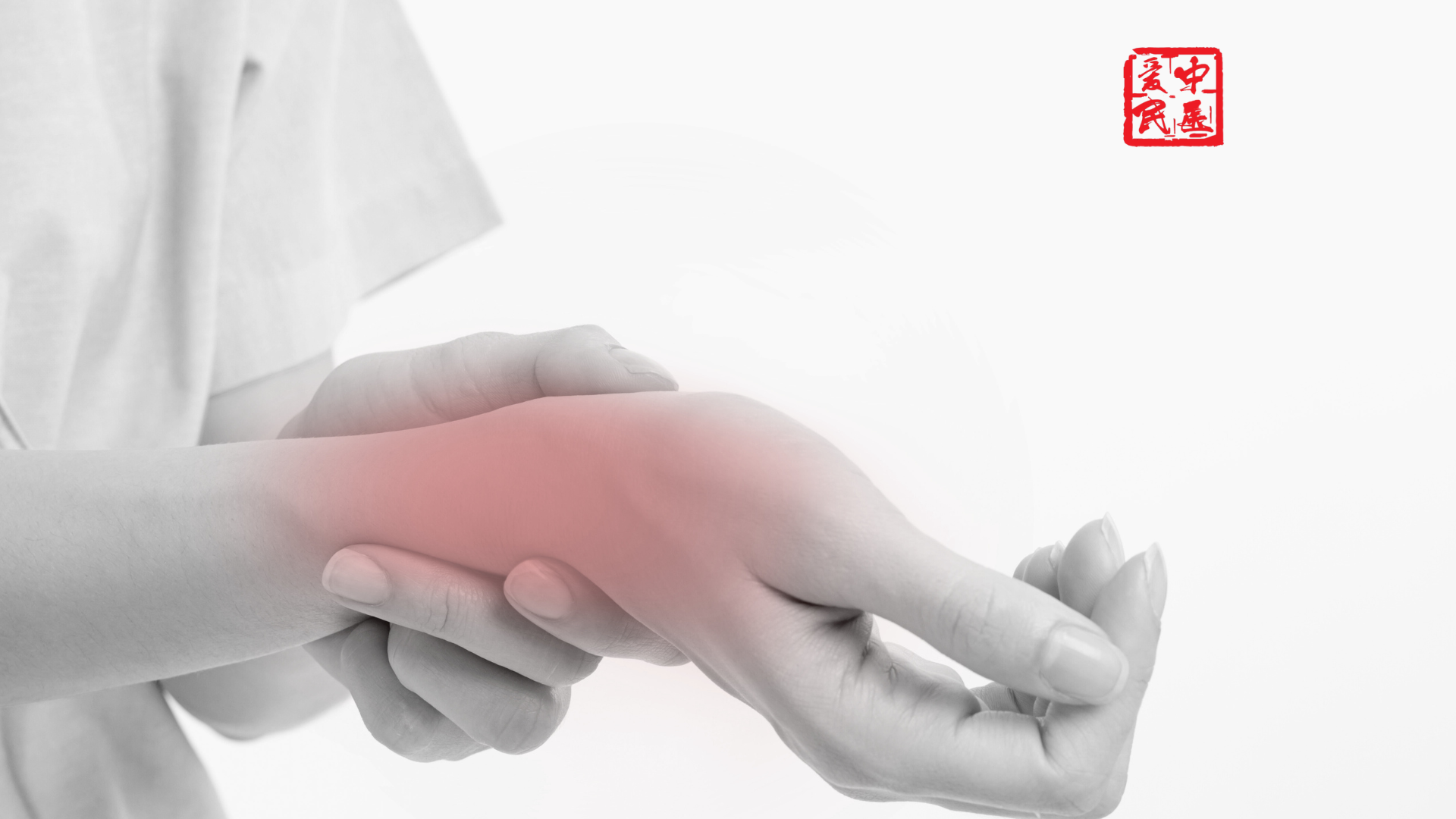
The human body possesses a remarkable self-healing capacity. However, when exposed to prolonged or repetitive injuries or external factors like wind, cold, or dampness, the Jingjin tissues can become compromised. This can lead to the development of stiffness, tension, spasms, and adhesions, known as “jingjie” (筋结) or pathological lesions. These lesions can manifest in various Jingjin-related disorders, resulting in symptoms such as pain, numbness, and impaired function.
Jingjin therapy recognizes the significance of the fascial tissues and their association with the meridians. By identifying specific acupuncture points related to pathological lesions, Jingjin therapy aims to address these imbalances at both the cellular and larger-scale levels, targeting individual cells as well as tissues, organs, and systems within the body.